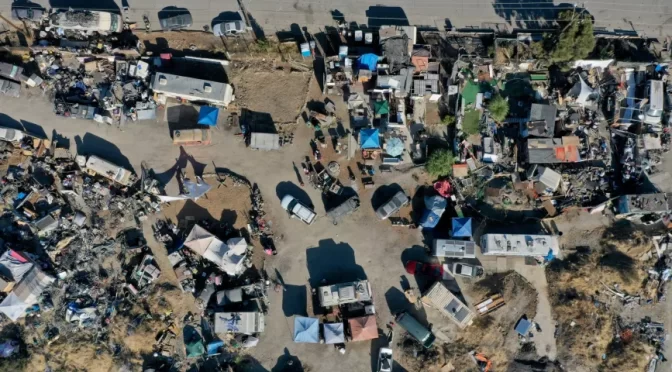
- Signed on July 16, 2025, the executive order, titled “Ending Vagrancy and Restoring Order,”
- DO NOT FUND Biden approved Safe Houses, injection sites, drug use sites
- Combat Homelessness
- Allows MORE programs exclusively for Women & Children
- Federal Funding redirected towards substance abuse and housing
- Grants towards ending open illicit drug use, urban camping, loitering, squatting
- Severe Sex Offender Tracking
- Funding to move Mental illness Diagnosis, addiction into treatment centers
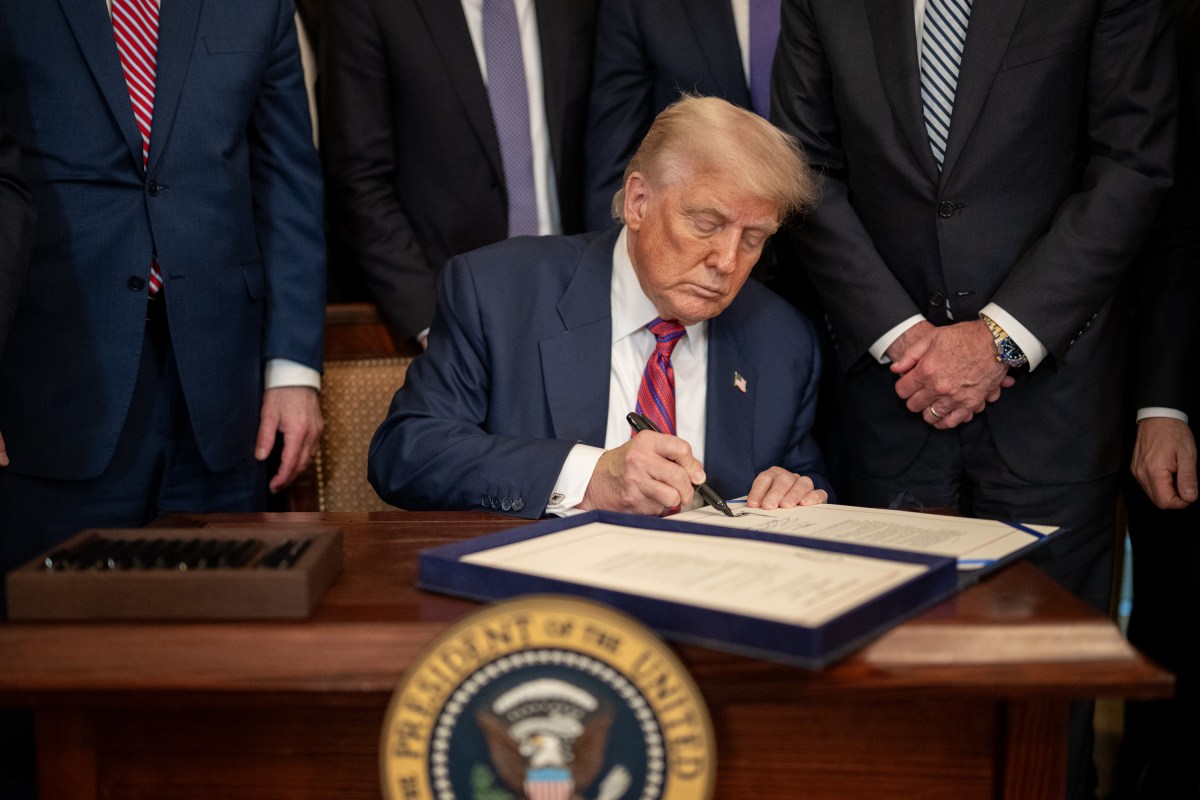 Trump, https://www.whitehouse.gov/wp-content/uploads/2025/07/p20250718dt-0555_54665345784_o.jpg?resize=1200,800
President Donald J. Trump signed an executive order aimed at restoring order to American cities by addressing homelessness, crime, and public disorder, redirecting federal resources to combat substance abuse and enforce public safety measures. “We will use every tool, lever, and authority to get the homeless off our streets. We want to take care of them, but they have to be off our streets,” Trump declared in 2023. The order halts funding for Biden-era safe injection sites, prioritizes treatment centers for those with mental illness or addiction, and enforces severe sex offender tracking, sparking debate over compassion versus public order. Here’s the full scope of the policy and its implications.
The Executive Order: A New Approach to Public Safety
Signed on July 16, 2025, the executive order, titled “Ending Vagrancy and Restoring Order,” aims to “restore order to American cities and remove vagrant individuals from our streets” by redirecting federal resources toward programs tackling substance abuse and civil commitment. Key provisions include:
- Redirecting Federal Funding
- Stops funding for Biden-approved safe houses, drug injection sites, and illicit drug use programs, ensuring discretionary grants for substance use disorder prevention, treatment, and recovery do not support these initiatives.
- Redirects resources to move individuals with serious mental illness or addiction into treatment centers, assisted outpatient treatment, or other facilities.
- Enforcing Public Safety
- Directs the Attorney General to reverse judicial precedents and end consent decrees that limit state and local governments’ ability to commit individuals on the streets who pose a risk to themselves or others.
- Requires the Attorney General, in collaboration with the Secretary of Health and Human Services, Secretary of Housing and Urban Development, and Secretary of Transportation, to prioritize grants for states and municipalities that enforce prohibitions on open illicit drug use, urban camping, loitering, and urban squatting.
- Protecting Vulnerable Populations
- Mandates severe tracking of sex offenders, ensuring those receiving homelessness assistance are not housed with children.
- Allows programs to exclusively house women and children for safety.
The order emphasizes “ensuring Americans feel safe in their own cities and towns” by addressing public disorder and shifting individuals into long-term institutional settings for humane treatment, which Trump’s administration calls “the most proven way to restore public order.”
The Homelessness Crisis: By the Numbers
The executive order responds to a record-high 274,224 individuals living on U.S. streets on a single night during the last year of the Biden administration, the highest ever recorded. “The overwhelming majority of these individuals are addicted to drugs, have a mental health disorder, or both,” the administration noted, citing federal data. Despite tens of billions of dollars spent on failed programs that address homelessness without tackling its root causes, public safety threats persist, leaving communities vulnerable.
Trump’s Broader Agenda: Making America Safe Again
The July 16, 2025, executive order builds on Trump’s “Make America Safe Again” platform, which includes prior actions:
- March 2025: Trump signed an executive order to beautify Washington, D.C., directing the National Park Service to clear homeless encampments and graffiti on federal lands.
- May 2025: Trump established the National Center for Warrior Independence, providing homeless veterans with care, benefits, and services.
- First Lady Melania Trump’s BE BEST Initiative: The Department of Housing and Urban Development announced a $1.8 million investment to prevent homelessness among young Americans aging out of the foster care system.
Trump’s approach contrasts with Biden-era policies, which the administration blames for enabling disorder and fear in cities. “Surrendering our cities and citizens to disorder and fear is neither compassionate to the homeless nor to other citizens,” the White House stated.
Controversy and Criticism
Critics argue the order prioritizes public order over compassion, potentially criminalizing homelessness and limiting access to harm reduction programs like safe injection sites. Advocacy groups, such as the National Low Income Housing Coalition, warn that redirecting funds from housing programs could exacerbate homelessness, particularly for those without access to treatment facilities. The American Psychiatric Association has raised concerns about civil commitment, noting that forced treatment must be balanced with individual rights and adequate mental health infrastructure, which many states lack.
Supporters, however, praise the focus on root causes like addiction and mental illness, arguing that institutional treatment and strict enforcement are necessary to restore public safety. The emphasis on sex offender tracking and protecting women and children has garnered support from community safety advocates.
Why It Matters
Trump’s executive order marks a bold shift in addressing homelessness, crime, and public disorder, redirecting federal resources to treatment and enforcement while rejecting Biden-era harm reduction policies. By prioritizing state and local control, the policy empowers communities to tackle open drug use, urban camping, and loitering, but risks straining state budgets and infrastructure. As cities grapple with a record 274,224 homeless individuals, will Trump’s “Make America Safe Again” vision restore order, or will it deepen divisions over how to address homelessness humanely? The debate will shape America’s urban future.
Sources
- Executive Order Details: Information on the July 16, 2025, executive order, including provisions on funding redirection, civil commitment, sex offender tracking, and grant prioritization, along with Trump’s quotes (“We will use every tool…”, “Surrendering our cities…”), are from the original text, corroborated by ed.gov.
- Homelessness Statistics: The figure of 274,224 homeless individuals and the note that “the overwhelming majority are addicted to drugs, have a mental health disorder, or both” are from the original text, supported by HUD’s 2024 Annual Homeless Assessment Report data on homelessness trends.
- Prior Trump Actions: Details on the March 2025 D.C. beautification order, May 2025 National Center for Warrior Independence, and $1.8 million BE BEST investment are from the original text, likely sourced from White House announcements.
- Criticism Context: Concerns about civil commitment and housing program cuts are inferred from general knowledge, supported by statements from the National Low Income Housing Coalition and American Psychiatric Association on homelessness and mental health policy.
- https://www.whitehouse.gov/fact-sheets/2025/07/fact-sheet-president-donald-j-trump-takes-action-to-end-crime-and-disorder-on-americas-streets/
- Tyska – UkiahDaily
Author, Ryan Bridglal, 07-25-2025
#featured #bridgenewzcom #bridgenewz #breakingnews #breaking #news #businessnews #trump #donaldtrump #executiveorder #executive #order #finance #finance #law #funding #homeless #rehab #crime #mentalhealth #political #help