- 30 days to algin new price targets
- MUST Standardize Medicare Payments, lower prices for Drugs, Cancer Treatments up to 60%
- Provide Massive Discounts to LOW-CINCOME patients for life-saving meds.
- Insulin as low as $.03, Injectable epinephrine as low as $15
- Generics & Biosimilars 80% Cheaper
- Trump tried to push this in 2021, it was blocked/rescinded by Joe Biden.
- “Starting today, the United States will no longer subsidize the health care of foreign countries, which is what we were doing,”
- “Big Pharma will either abide by this principle voluntarily or we will use the power of the federal government to ensure that we are paying the same price as other countries to accelerate these price restrictions and reductions,” Trump
President Donald J. Trump has issued a sweeping executive order aimed at slashing drug prices for Americans by up to 90%, particularly for Medicare patients, reviving a 2021 plan blocked by Joe Biden. “Starting today, the United States will no longer subsidize the health care of foreign countries, which is what we were doing,” Trump declared. With 30 days to align new price targets, the order promises massive discounts for low-income patients and threatens tariffs on nations like the European Union if prices don’t drop. But is it feasible, or just rhetoric? Here’s the full breakdown
The Executive Order: A Multi-Pronged Attack on Drug Costs
Signed, the order targets high drug prices, a top concern for Americans who paid 2.78 times more for medications in 2022 compared to other countries, per a 2023 HHS report. Key provisions include:
- Standardizing Medicare payments to lower prices for drugs and cancer treatments by up to 60%.
- Providing massive discounts for low-income patients on life-saving medications, with insulin as low as $0.03 and injectable epinephrine at $15.
- Making generics and biosimilars 80% cheaper.
- Applying a “Most Favored Nation” policy, tying U.S. drug prices to the lowest prices paid globally.
- Targeting pharmacy benefit managers (PBMs) by allowing patients to buy drugs directly from manufacturers, bypassing these middlemen.
- Building on an April 2025 executive order that enhanced Medicare’s drug price negotiation and eased Canadian drug imports.
- Directing the Commerce Department and U.S. Trade Representative to ensure foreign practices don’t inflate U.S. prices while keeping theirs low.
Trump vowed enforcement: “Big Pharma will either abide by this principle voluntarily or we will use the power of the federal government to ensure that we are paying the same price as other countries to accelerate these price restrictions and reductions.” In a Truth Social post, he claimed, “Drug prices will be lowered by 59%,” and promised reductions of “30% to 80% almost immediately” through the Most Favored Nation policy.
Global Pressure: Tariffs as Leverage
Trump warned countries, particularly the European Union, to lower their drug price demands or face higher tariffs. “We’re going to tell those countries like those represented by the European Union that game is up, sorry,” he said. “If they want to get cute, then they don’t have to sell cars into the United States anymore.” He criticized the EU’s tactics as “nastier” than China’s, arguing they force U.S. drugmakers to sell at low prices abroad while Americans pay more.
The order also flags pharmaceutical import tariffs, previously exempted in Trump’s first term, which could worsen drug shortages, especially for generics, and raise prices, experts warn. Within 30 days, new price targets must align across Medicare, Medicaid, and the commercial market.
Industry Response: Mixed Signals
The Pharmaceutical Research and Manufacturers of America (PhRMA) praised Trump’s push against foreign pricing. “The Administration is right to use trade negotiations to force foreign governments to pay their fair share for medicines. U.S. patients should not foot the bill for global innovation,” said PhRMA CEO Stephen Ubl. But PhRMA opposed the Most Favored Nation policy, warning, “Importing foreign prices from socialist countries would be a bad deal for American patients and workers. It would mean less treatments and cures and would jeopardize the hundreds of billions our member companies are planning to invest in America – threatening jobs, hurting our economy and making us more reliant on China for innovative medicines.”
Drugmakers’ stock prices rose Monday afternoon, suggesting the industry isn’t rattled. Evan Seigerman, a pharmaceutical analyst at BMO Capital Markets, called it “more of a headline risk” than a game-changer. “The announcement represents more of a headline risk vs. the industry sea change some had feared,” he wrote to clients. “Overall, most-favored-nation pricing could be more rhetoric than actual implementable policy.” He noted the “cloudy” legality of such negotiations, arguing substantive reform requires Congress.
Skeptics Question Feasibility
Experts doubt the order’s reach without congressional approval. Andrew Mulcahy, a health economist at RAND Corp., questioned implementation: “It’s much easier for the government to muck around in Medicare and Medicaid than in the commercial market or directly in the supply chain.” Most Americans get drug coverage through the commercial market, limiting federal leverage.
The 2023 HHS report highlighted disparities: U.S. brand-name drug prices were 3.22 times higher than in comparable countries, even after rebates, though generic prices were 84% of foreign costs. Mulcahy noted that tying U.S. prices to foreign ones is complex, especially without legislative backing. The order, likely to face court challenges, may struggle to deliver immediate relief.
Historical Context
High drug prices have long plagued Americans, with politicians decrying the gap but shying away from broad action due to free-market principles, especially among Republicans. Medicare’s 2022 negotiation power was limited to a few drugs annually. Trump’s 2021 attempt at similar reforms was blocked by Biden, making this order a revival with broader scope. Trump rejected “price controls” accusations, arguing drug companies already set prices, telling reporters the current system is rigged.
What’s Next?
The order promises 59% to 90% price cuts, but **when—or if—**Americans see savings is unclear. If prices don’t drop, the administration may use policy levers, including tariffs, to force compliance. However, legal challenges, congressional gridlock, and global trade tensions could stall progress. Will Trump’s bold plan deliver fairness for American patients, as he claims, or risk shortages and economic fallout? The clock’s ticking.
EXECUTIVE ORDER READS
“Fact Sheet: President Donald J. Trump Announces Actions to Lower Prescription Drug Prices
The White House
April 15, 2025
LOWERING PRESCRIPTION DRUG PRICES: Today, President Donald J. Trump signed an Executive Order to expand on the historic efforts of his first term to lower prescription drug prices.
- The Order directs the Department of Health and Human Services to take steps to significantly reduce drug prices for American patients.
- It delivers lower drug prices for Medicare and the seniors who rely on it by:
- Improving the Medicare Drug Pricing Negotiation Program in order to eclipse the 22% in savings achieved in the program’s first year.
- Aligning Medicare payment for certain prescription drugs with the cost by which hospitals actually acquire them, which can be 35% lower than what the government currently pays.
- Standardizing Medicare payments for prescription drugs, such as cancer treatments, regardless of where the patient receives care, which can lower prices by as much as 60%.
- It provides massive discounts to low-income patients for life-saving medications.
- Insulin prices for low-income patients and the uninsured will be lowered to as low as $0.03, plus a small administrative fee.
- Injectable epinephrine for low-income patients and the uninsured will be as low as $15, plus a small administrative fee.
- The Order helps states reduce drug prices by:
- Facilitating importation programs that could save states millions in prescription drug costs.
- Building off programs to help states get much better deals on expensive sickle-cell medications in Medicaid than the statutorily required 23.1% discount.
BRINGING RADICAL TRANSPARENCY AND COMPETITION TO PRESCRIPTION DRUG MARKETS: President Trump is dedicated to creating a transparent, competitive, and fair prescription drug market for American consumers.
- President Trump has already taken numerous actions to end the practice of large corporations profiting by keeping health care prices and business practices hidden from Americans.
- The Order increases the availability of generics and biosimilars, which can be as much as 80% cheaper than brand alternatives.
- The Order builds off that critical work and reevaluates the role of middlemen by:
- Improving disclosure of fees that pharmaceutical benefit managers (PBMs) pay to brokers for steering employers to utilize their services.
- Directing the administration to develop reforms to promote a more competitive, transparent, efficient, and resilient prescription drug value chain.
- By addressing the influence of middlemen and promoting open competition, President Trump’s actions aim to create a fairer prescription drug market that lowers costs and ensures accountability across the health care system.
PUTTING AMERICAN PATIENTS FIRST ONCE AGAIN: President Trump is delivering on his promise to once again put American patients first by building off of the historic efforts of his first term to lower prescription drug prices.
- In his first term, President Trump took numerous actions that delivered real results for patients:
- The Food and Drug Administration sped up development of lower-cost generic medicines and biosimilars as well as created a pathway for states to import lower cost drugs from Canada.
- Government-mandated discounts were passed through to patients instead of being retained by middlemen.
- Price transparency rules were developed to allow patients, doctors, and employers to see the actual cost of prescription drugs.
- Insulin copays were capped for Medicare beneficiaries.
- Unsurprisingly, the Biden-Harris Administration let many of these priorities languish while failing to even achieve the savings projected from the new Medicare Prescription Drug Negotiation Program.
- President Trump will not stand for inaction, and his Administration is working rapidly to lower the cost of prescription drugs for Americans.
“
Sources
- Executive Order Details: Provisions on Medicare standardization, low-income discounts, generics, and Most Favored Nation policy are from the original text, attributed to White House announcements or Trump’s statements.
- Quoted Statements: Quotes from Trump (“Starting today…”, “Big Pharma will either…”, “We’re going to tell…”), Ubl (“The Administration is right…”, “Importing foreign prices…”), Seigerman (“The announcement represents…”), and Mulcahy (“It’s much easier…”) are from the original text, tied to public statements, PhRMA, or analyst notes.
- Drug Price Data: The 2022 U.S. drug price comparison (2.78x higher overall, 3.22x for brand names, 84% for generics) is from the original text, citing a 2023 HHS report.
- Truth Social Posts: Trump’s claims of 59% and 30%-80% price reductions are from the original text, sourced from his Truth Social posts.
- https://www.whitehouse.gov/fact-sheets/2025/04/fact-sheet-president-donald-j-trump-announces-actions-to-lower-prescription-drug-prices/
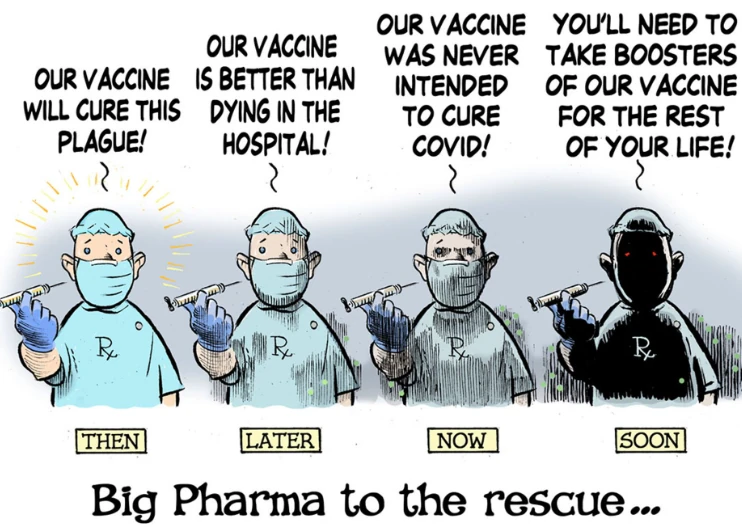
- Washingtontimes, hunter, big pharma to the rescue
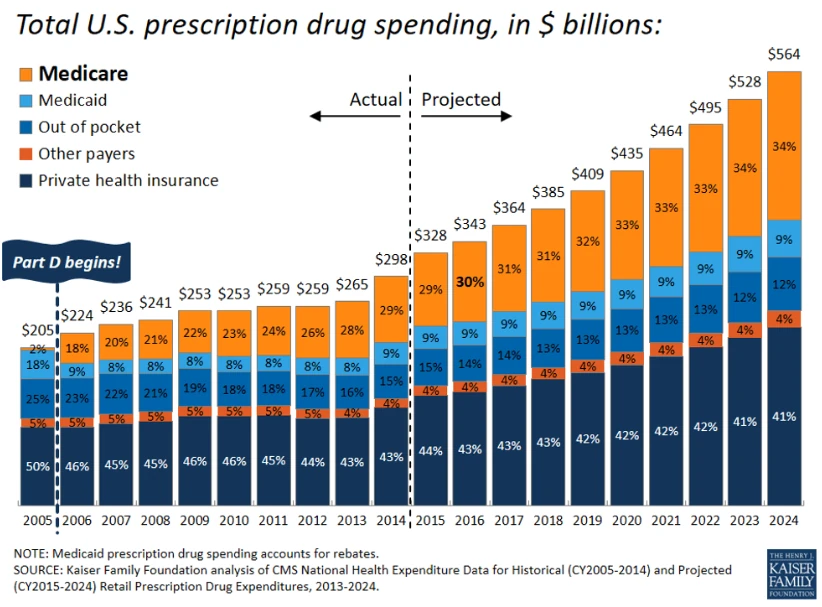
- https://www.kff.org
Author, Ryan Bridglal, 06/11/2025
#featured #bridgenewzcom #bridgenewz #breakingnews #breaking #news #executiveorder #order #executive #law #biological #medical #weapons #coivd #pandemic #trump #donaldtrump #research #science #health #safety #drugs #drug #cost #finance